Milk Studios
/ Intel:
Adorned.
Milk Studios / Intel / Fake Love
The Challenge
Milk Studios and Intel partnered to explore wearable technology — not the spec sheets and feature lists version, but the cultural and historical version. The question they wanted to answer: what does it mean that humans have always adorned themselves with technology, long before anyone called it that?
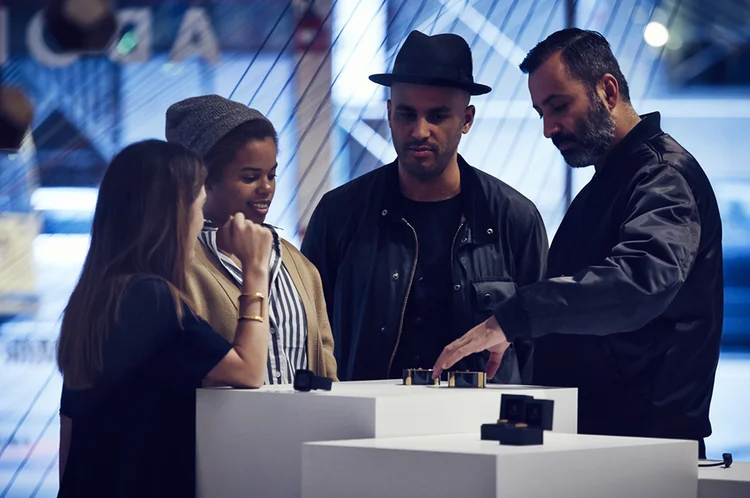
The answer took the form of a physical gallery exhibition in New York City's Meatpacking District, organized around wearables by function: sound, vision, kinesthetic, data. My job was to write the video scripts that ran throughout — pieces that had to be simultaneously informative, visually driven, and genuinely interesting to a fashion-forward gallery audience who hadn't come to watch a product demo.
My Role
- Creative direction
- Video scripts
Agency / Studio
- Milk Studios
- Fake Love (design & development)
Recognition
- Communication Arts Award
The Brief Within the Brief
Gallery visitors at a Meatpacking District exhibition are not sitting still. They're moving through a space, half-reading things, easily bored, and allergic to anything that feels corporate. Writing video scripts for that context means writing for people who are technically paying attention but will immediately stop if you give them a reason to.
The scripts had to earn their runtime. Each one was structured to reward the viewer who stayed — building from a historical observation to a present-day connection to something genuinely surprising about where wearables were going. The through-line across all of them was the idea that wearables weren't new: humans had been using objects to extend their bodies and signal their identities since long before anyone attached a processor to it.
"Long before we were superhuman."The organizing idea behind the Adorned exhibition.
The Work
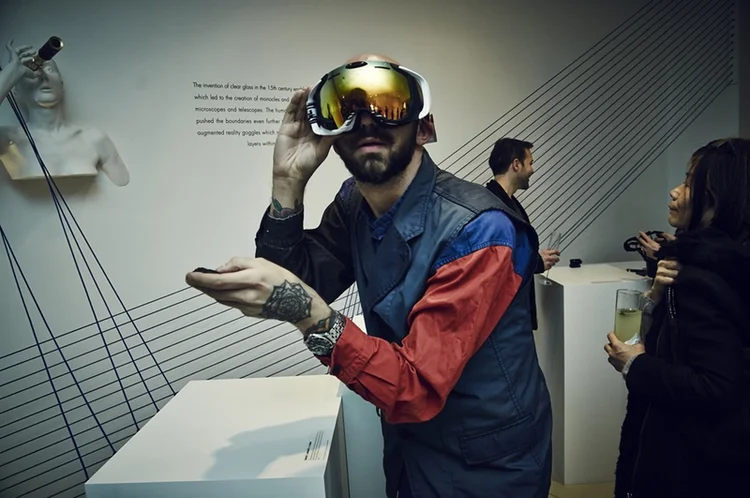
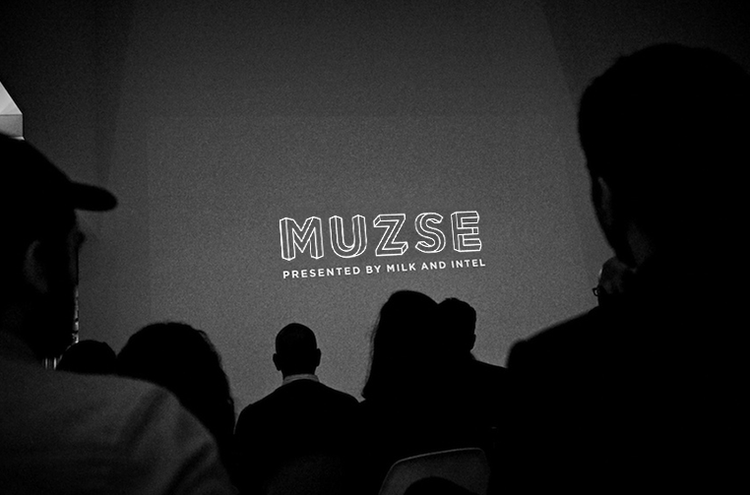
The MUZSE campaign — a partnership between Intel and Milk Studios — used the Adorned exhibition to position Intel at the intersection of technology and fashion at a moment when wearables were just beginning to enter the cultural conversation. The gallery itself was designed as a wearable: an integrated space where plaster casts, interactive elements, and string art patterns connected the installations across the room.
The videos ran exclusively at the exhibition. They weren't meant to go viral or live online — they were meant to make someone standing in front of an exoskeleton feel like they were learning something real about what it means to be human. Communication Arts thought that was worth recognizing.