Content design and UX writing.
The work I'm proudest of lives at the product level: the UX journeys for SoundCloud, Verizon, Better.com, American Express, and Goldman Sachs. It’s a different craft than a campaign headline, and the goal is simpler. The writing exists to help someone finish what they came to do. More recently, that means writing the rules a model follows when it does the writing instead.
When AI writes the copy.
For much of my career the job was writing the line. When a model writes the line, the job becomes writing the rule underneath it, and then deciding whether what came out is any good. Those are two disciplines. I do both.
Writing the rules. A voice guideline written for a person and one written for a model are never the same. A person reads a tone attribute and interprets it.
On Lincoln, I built the brand's voice and style rules into a working model as an instruction set, with a strict and growing list of guardrails, so product owners who were not writers could draft on brand. Nothing reached the client without a writer reading it first. I did the same at AREA15, where no voice guide existed at all, so the rules and the instruction set were written at the same time.
Written for a person
Confident,
not arrogant.
We are self-assured without boasting. State what we know. Do not oversell.
Two writers read this and write two different lines. Both can defend theirs.
Written for a model
Same attribute. Now it can be followed, tested, and graded.
Grading the output. I train and evaluate AI models on writing quality for an AI company, under NDA. That means sitting with generated text and deciding, line by line, what separates fluent from good, with the reasoning written out. Doing both sides changed how I write standards. A rule precise enough for a model to follow exposes every place the human version was vague and got away with it, which is also why the guidelines get rewritten every time the model changes.
The work.
SoundCloud Go
A paid tier launched to 175 million people who had never paid for anything. The first version failed. I wrote the second.
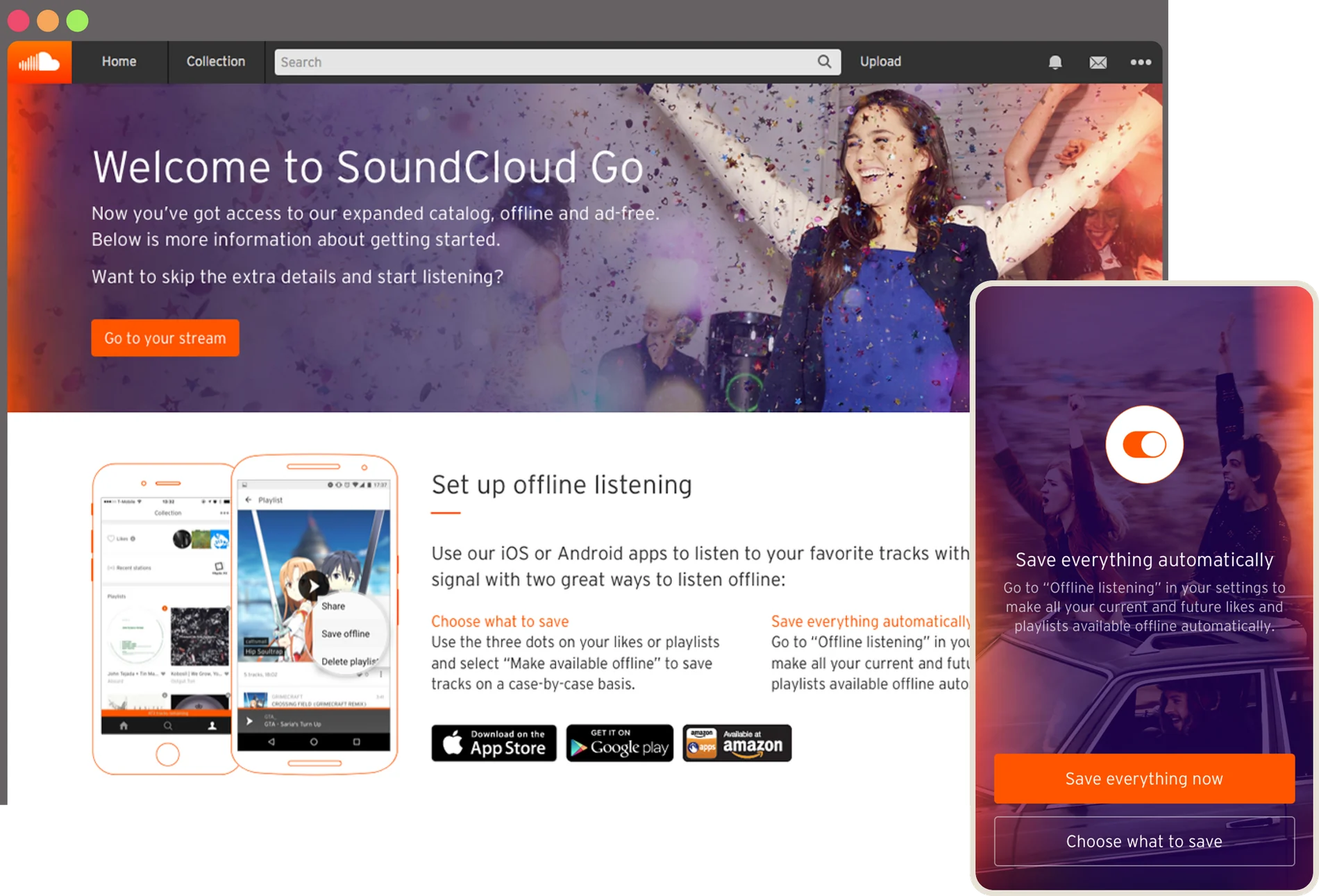
“Save everything now”
“Choose what to save”
“Want to skip the extra details and start listening?”
Three places in the flow where the job was giving somebody a way out of doing more work.
The first launch led with everything the subscription included and put the price further down, so it read as the free product being taken away and sold back. The audience said so immediately. I argued internally for inverting it, free stated plainly and first, subscription as an upgrade on top, and wrote that version. It replaced the original and it is still what SoundCloud runs.
Better.com
One of the most anxiety-inducing processes in American life, moved entirely online.
I spent a year embedded across onboarding flows, loan applications, error states, email sequences, and the brand voice system that governed how to sound like Better on every surface. Error and delay states are the hardest copy in a mortgage flow. The customer is already worried, the news is rarely good, and the line has to stay calm without lying to them.
“Your rate is locked. That means it won’t change no matter what happens to the market while your loan is processing.”
Rate lock confirmation
“This is the part most lenders make complicated. We’re going to make it a checklist.”
Document upload intro
“We didn’t hear back from the underwriter. That’s normal, we’ll ping them again tomorrow.”
Error and delay state

Goldman Sachs
Language for a design system used by teams I would never brief.
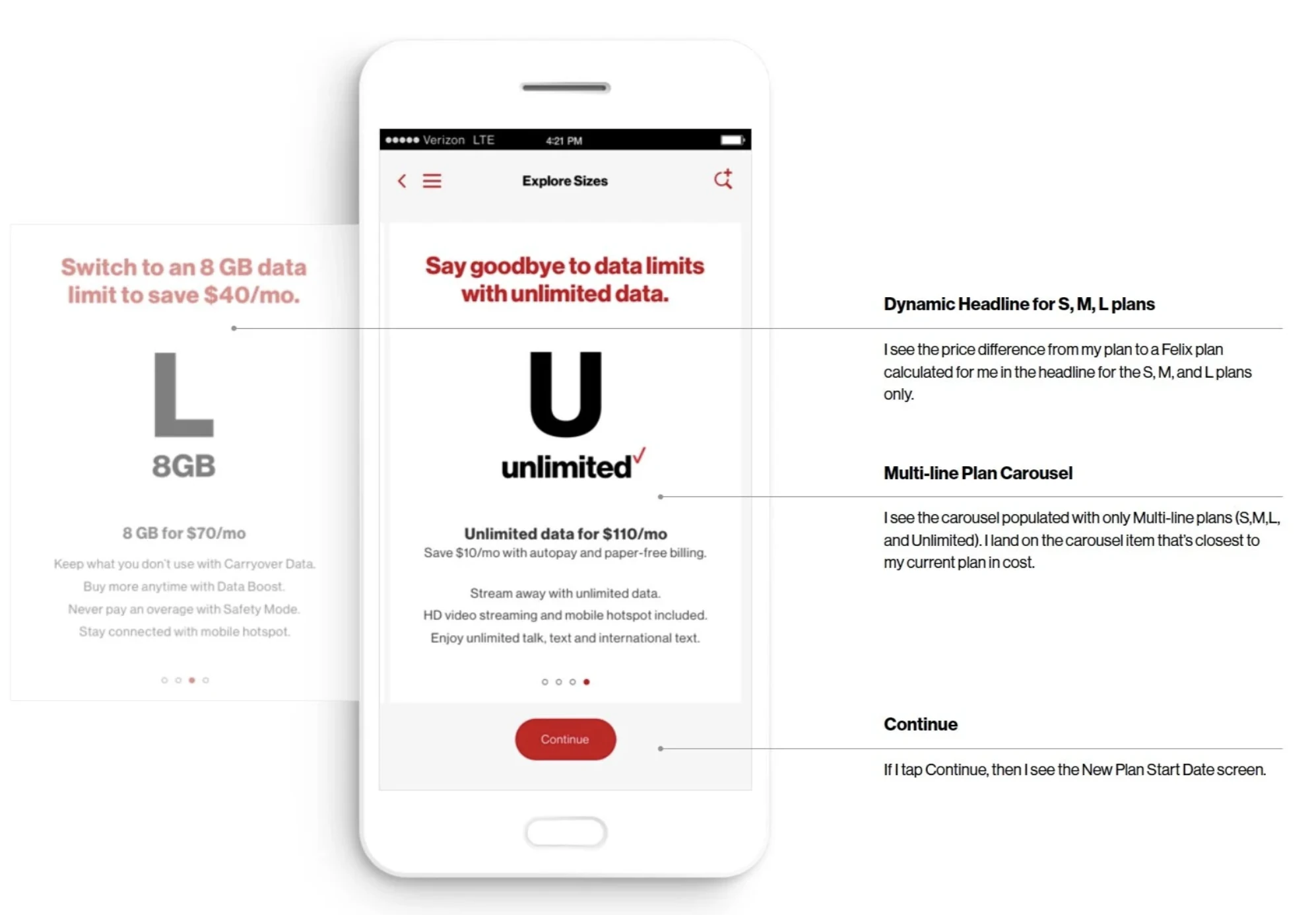
I led the copy on the language layer of Goldman's design system: labels, empty states, and error messages written once and then used by teams I would never brief. The test was never whether the lines were good. It was whether a product manager on a deadline, with no writer available, would make the same call I would. I wrote the system's principles too, as titled imperatives rather than adjectives, including one called "Consistent, not creaky." "Empower clients" was another. It later became the headline of the color system page.
“Financial tools are rarely simple. But they can always be clear. With elegant craftsmanship, we create intuitive workflows that give users confidence in their actions.”
Goldman Sachs Design System, design.gs.com, published February 2020.
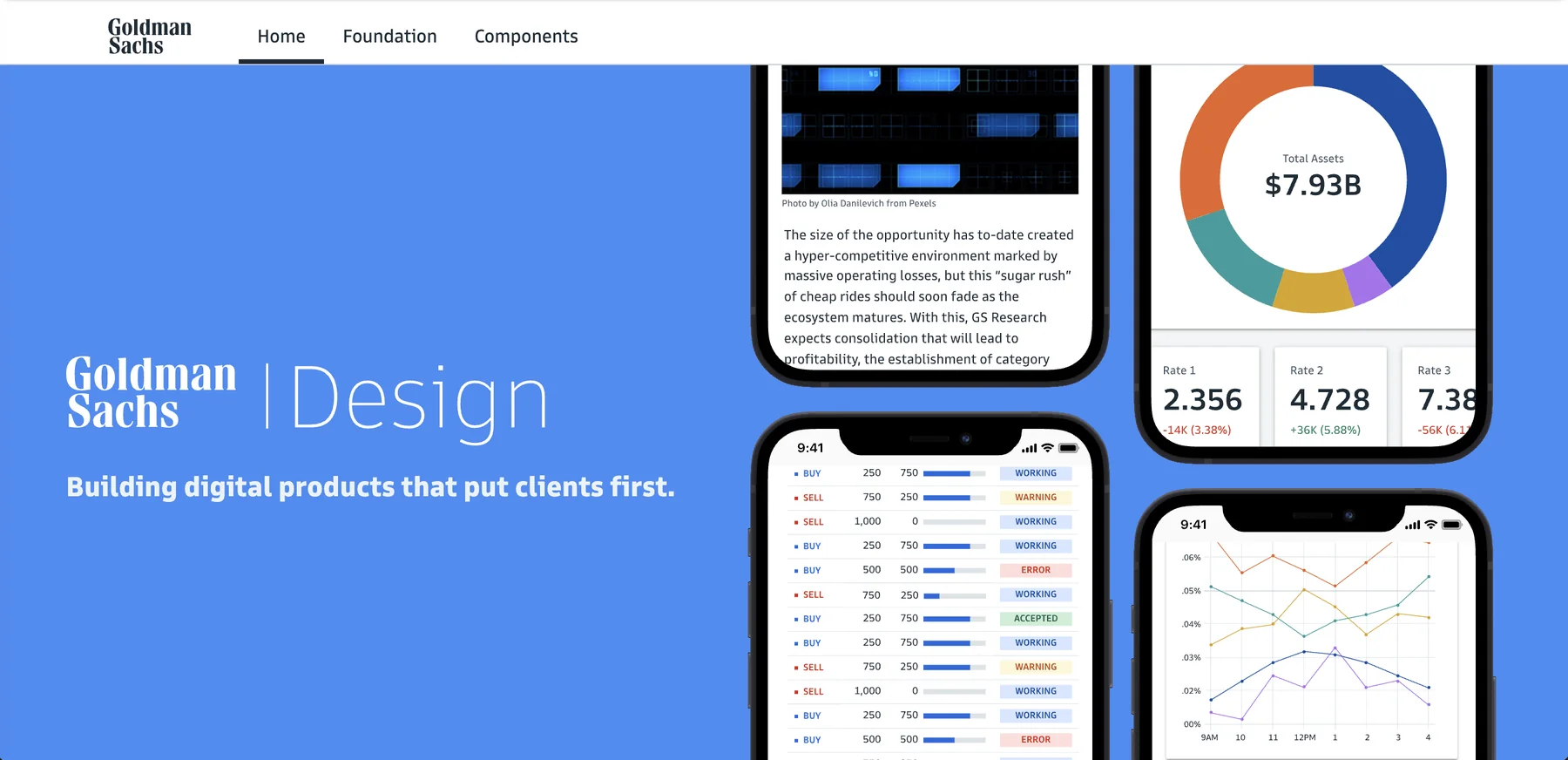
Read it in the Internet Archive, April 2021 →
Verizon Wireless
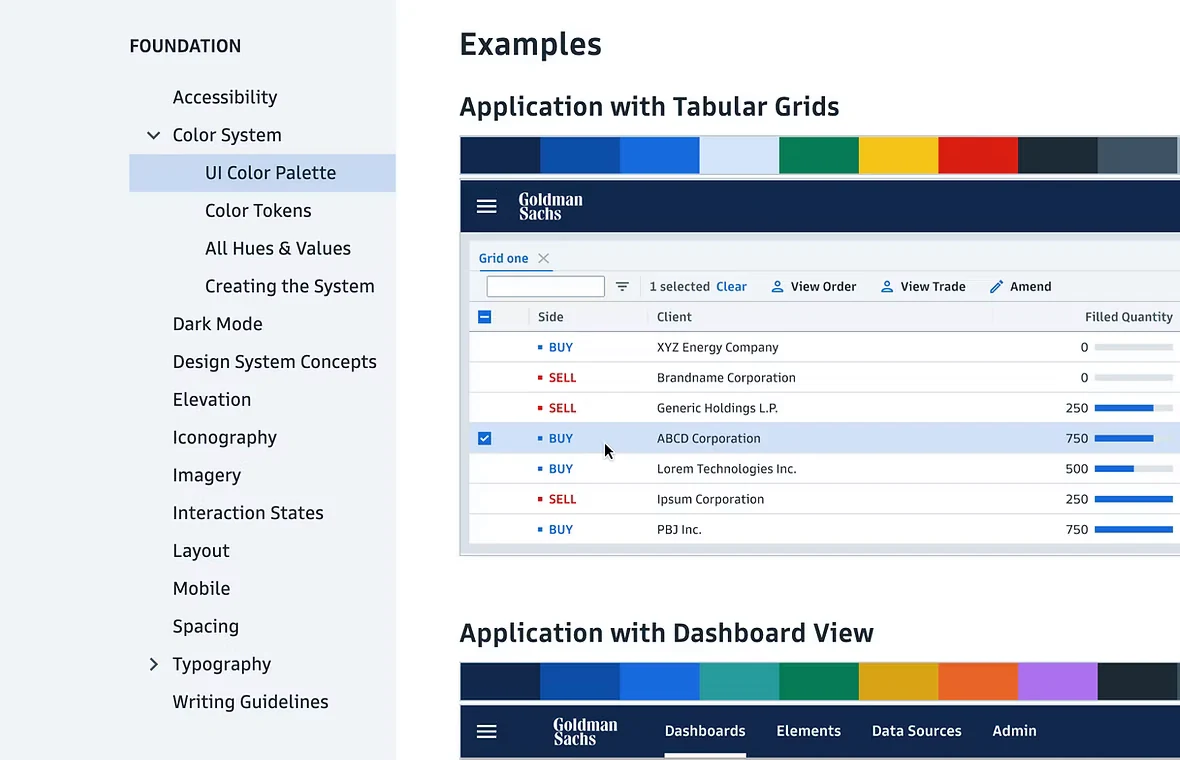
One vocabulary for 113 million people managing their own accounts.
One of the highest-traffic consumer websites in the United States. The existing site had accumulated years of copy written by different teams to different conventions. I replaced that accumulation with a system: vocabulary, nomenclature standards, and copy patterns governing navigation, product pages, onboarding, support, account management, and transactional messaging. Nobody opens a carrier app for pleasure. They open it to do one thing, and the writing either gets them through it or it does not.
68% → 85%
In-app bill payment, within seven months of launch
15.6x
Mobile sales conversion
+27%
Autopay enrollment
Evercore
The standard arrived at sprint eight.
Evercore's bankers run their relationships through an internal platform: contacts, interactions, company profiles, calendar, notes. I came in partway through the build and set the copy standard from sprint eight onward, which left seven sprints of screens that predated it. So I proposed auditing one historical sprint every cycle alongside the current work, until the whole product named things the same way.
The user is an investment banker. The job was never explaining finance to them. It was making sure a label meant one thing everywhere, and that an empty state told you what to do next instead of announcing that it was empty.
American Express
Content design with one foot in campaign creative.
Mobile-first experiences where the copy had the clarity and purpose of UX writing while still carrying the campaign. I tested language decisions in the flow rather than in brand decks, working closely with the UX and visual design teams at Huge.
Every word earns its space. On a small screen, there’s no room for a second draft.
Working principle


Leading the writers.
At Goldman I recruited junior writers onto the team, onboarded them, and managed their daily work. On Lincoln I owned the voice and mentored the writers working in it, across two offices and every agency partner. The test of a standard is whether the work is still good when you are not in the room.