Asking 175 million people
to pay for free music.
First dedicated writer. Launch campaign. Subscription rollout.
SoundCloud Go · October 2015 – July 2017almost none paying
no business model, until Go
a dedicated writer. I was it.
became the company's voice system
The bet.
SoundCloud was the free internet's favorite music platform: 175 million users, fiercely loyal, and almost none of them paying. The business needed a subscription model. The audience needed a reason not to revolt, and the voice that convinced them didn't exist yet.
What I built.
The voice.
SoundCloud had no brand voice. No guidelines, no legacy tone, just a platform with a fervent culture and an audience that could sniff out anything corporate from miles away. I wrote the voice system that didn't exist: enthusiastic, self-aware, acknowledging that we were living through a weird moment in music history. The voice was ready by launch. The hard part came next.
The launch.
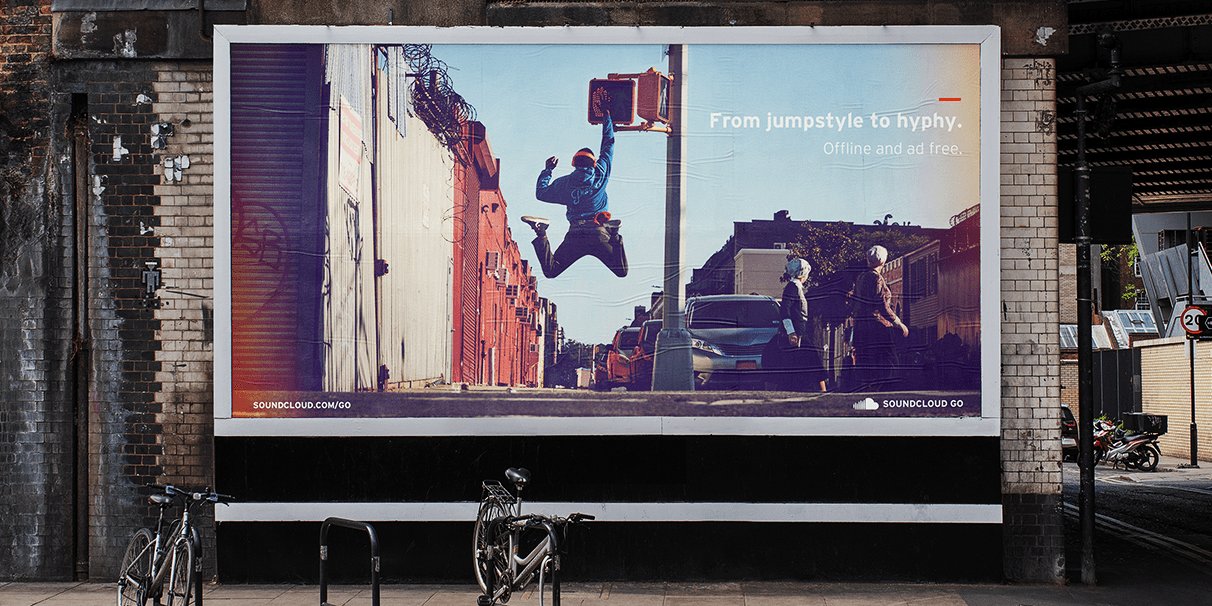
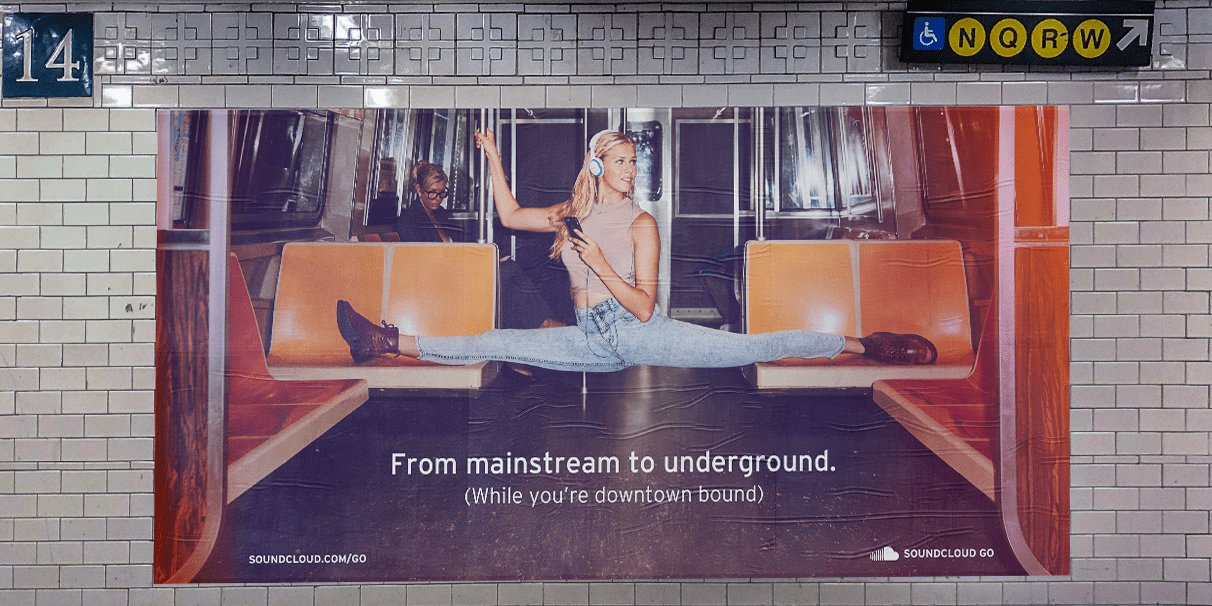
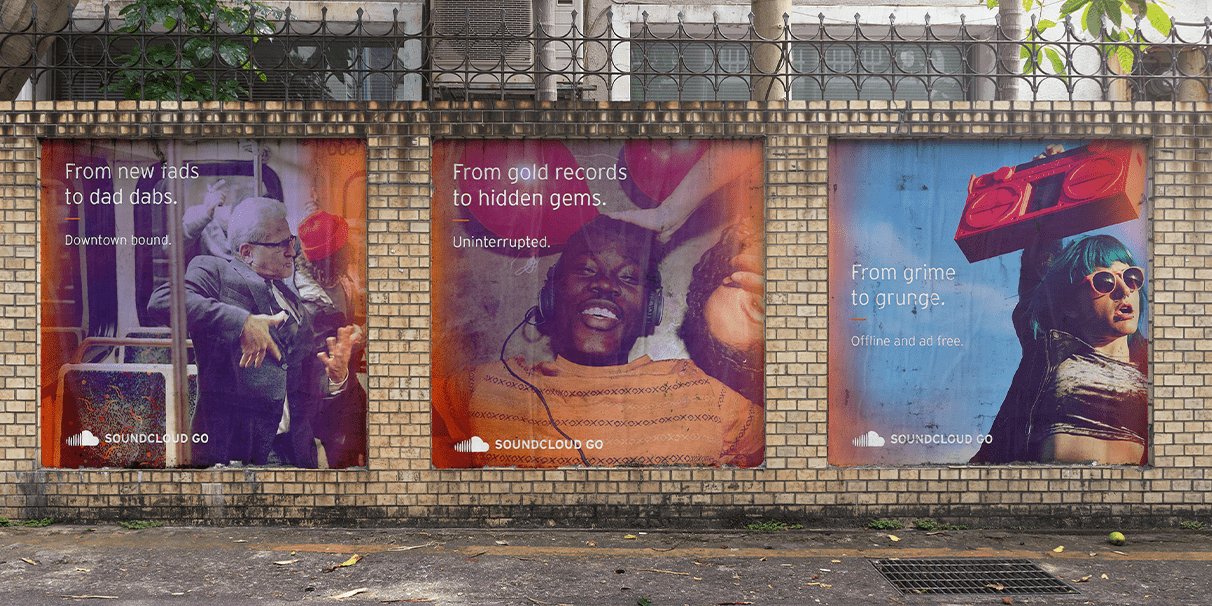
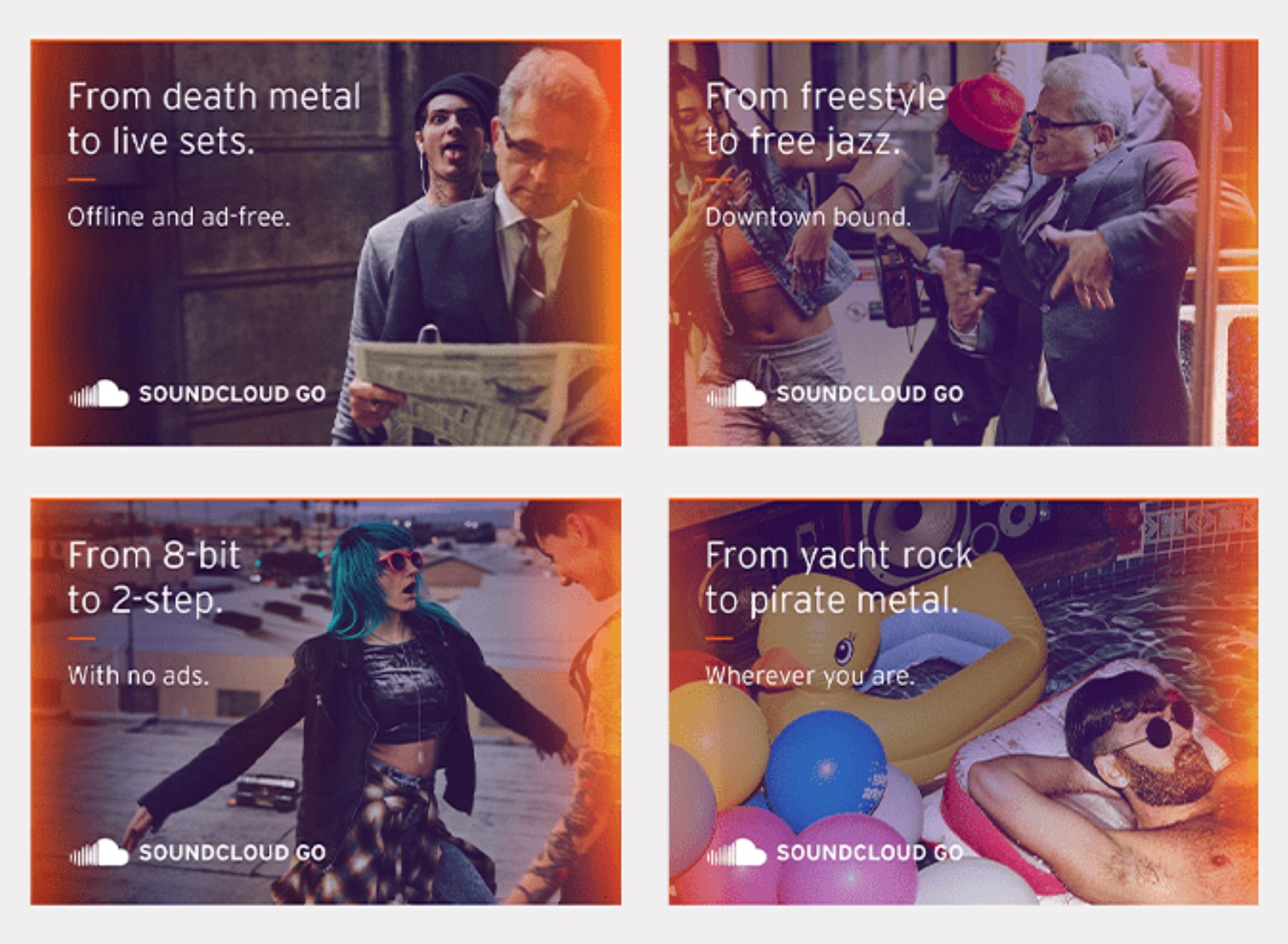
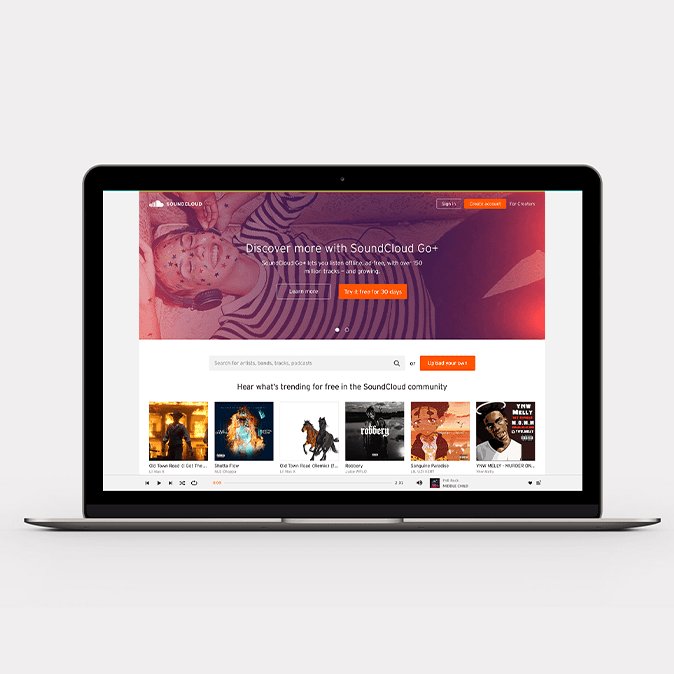
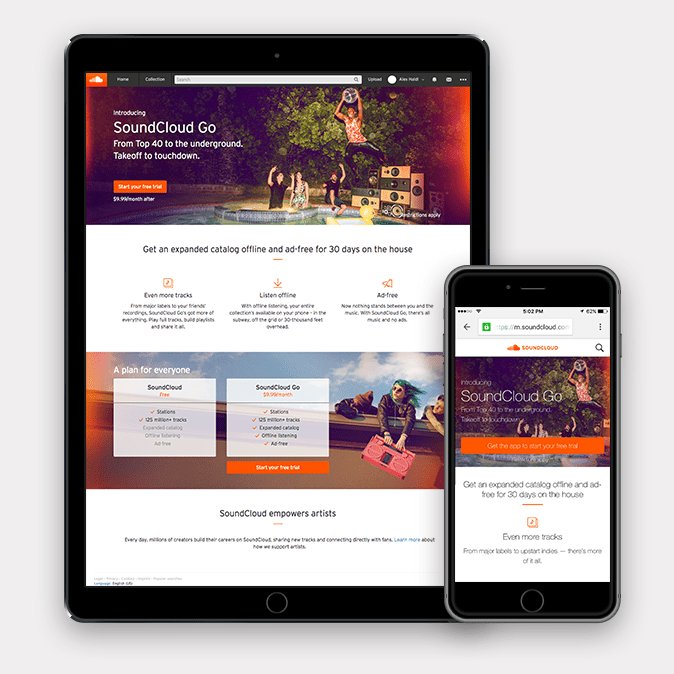
Video, web, email, social, in-product. The films were built to feel native to the platform: energetic, a bit chaotic, and unapologetically music-obsessed. We avoided polished brand film. We wanted it to look, sound, and feel like something that could live on SoundCloud itself.
What went wrong… at first.
The launch didn't land exactly as we'd hoped. The price was right for Spotify's audience, but wrong for a community of bedroom producers. The messaging asked people to compare 135 million tracks against a number nobody had ever published, and promised an ad-free experience to some users who had never heard an ad. Meanwhile, the free tier quietly got worse: full tracks became thirty-second previews.
The criticism that stung wasn't about price. It was that we'd made the thing people loved feel like a demo of itself. This is where the real work began. We listened to the complaints, and we adapted to the feedback. The SoundCloud listener was used to freedom and options. If they were going to pay for the thing they love, there would have to be options, and one would have to be free. I advocated for and wrote the new tiered system that exists today.
The hard email.
Email was the part that could have blown up. I had to ask a free user base of 175 million to start paying, without making them feel the thing they loved was getting taken away. The campaign had to be additive, not subtractive.
What changed.
SoundCloud Go didn't save the company on its own. Almost every streaming service loses money. But it bought a runway, and it proved the voice could carry a commercial ask without betraying the audience. The voice I wrote for the launch became the voice of the company. It still is.
The free internet didn't need to be sold to. It needed to be respected. That's what we wrote.