Brand voice systems.
These are the rules behind the headline: what a brand says, how it says it, and what it never does. I write them so the writers who come after me land in the same place, and the thousandth line still sounds like the same brand as the first.
6
Voice systems, each one started from nothing
7
Industries, from institutional finance to live entertainment
2
Written twice, once for people and once for an AI model
Act one
What goes in one.
No two voice systems are the same. The structure always is.
Verizon
Terminology and nomenclature
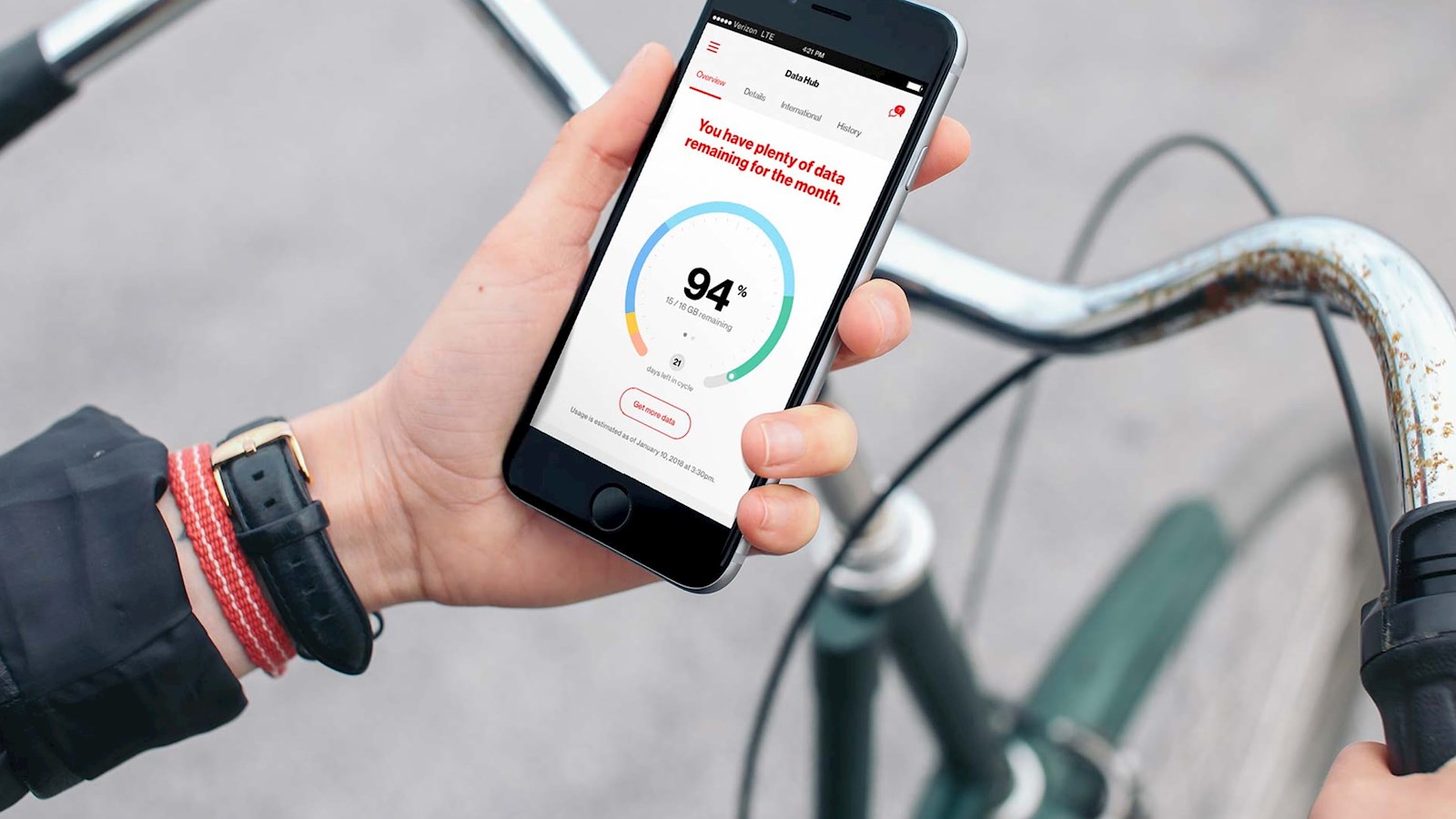
At AKQA I replaced years of conflicting convention across VerizonWireless.com and the MyVerizon app with one vocabulary and one set of copy patterns, for a service with 113 million subscribers.
Keep what you don't use with Carryover Data.
Buy more anytime with Data Boost.
Never pay an overage with Safety Mode.
One construction, so a customer who learns one can predict the next.
Goldman Sachs
The persona and the principles
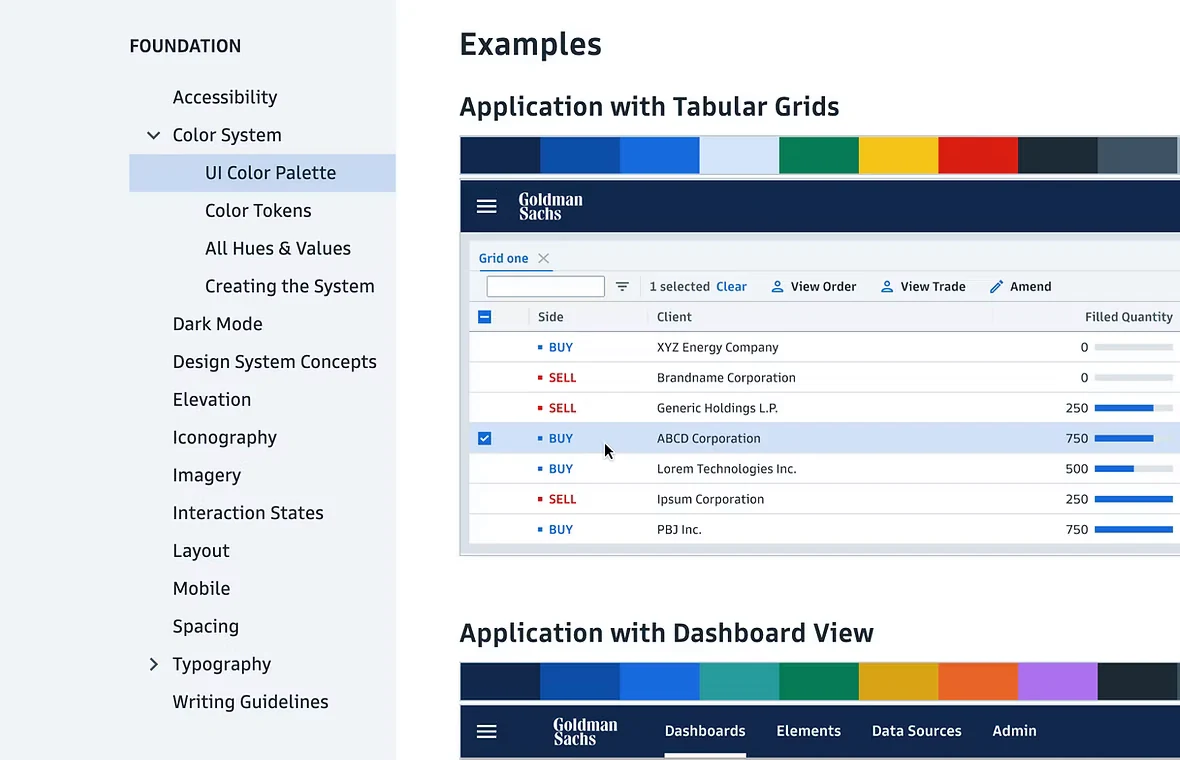
Embedded at the firm's headquarters across two engagements, writing the voice guidelines for a Private Wealth platform serving clients with $10M or more in investable assets. A voice system starts with deciding who the brand is when it talks, then turning that into rules somebody else can apply without asking.
“Financial tools are rarely simple. But they can always be clear.”
A principle I wrote, published at design.gs.com, February 2020
AREA15
One voice across many brands
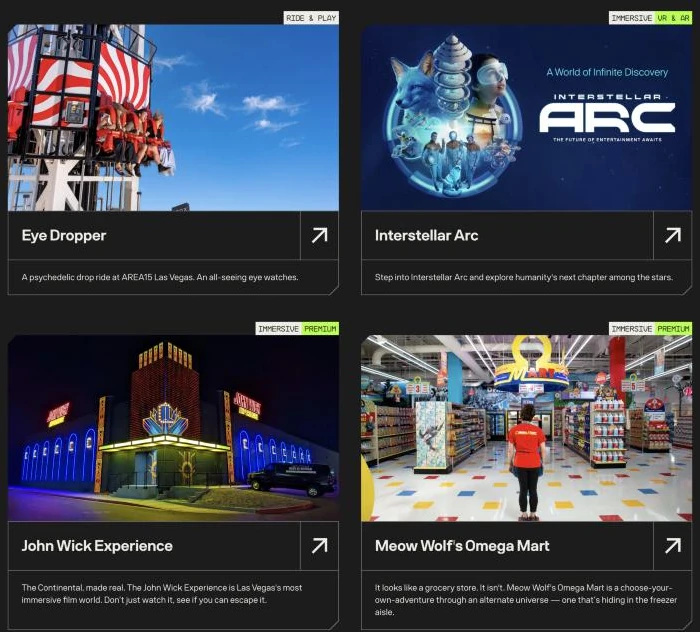
Thirty-five acres and forty-plus venues off the Las Vegas Strip, each venue its own brand, all required to sound like one place. Sole writer, thirty pages in ten weeks, no voice guide in existence on arrival. The tone has to hold, even when the subject changes every few hundred words.
Act two
The hard cases.
A voice system earns its keep where most style guides break.
Lincoln
Many hands
Five years owning one brand's voice across two offices, every agency partner, and every market, through four vehicle launches and the brand's centennial. A voice system only works when completely different people apply it the exact same way.

Better.com
Bad news
Onboarding, loan application flows, and the error and delay states inside a mortgage application. Most voice guides specify how a brand sounds when things go well. They are quieter on what happens when the news is bad.

“We didn’t hear back from the underwriter. That’s normal, we’ll ping them again tomorrow.”
Error and delay state
SoundCloud and Air Company
A blank page
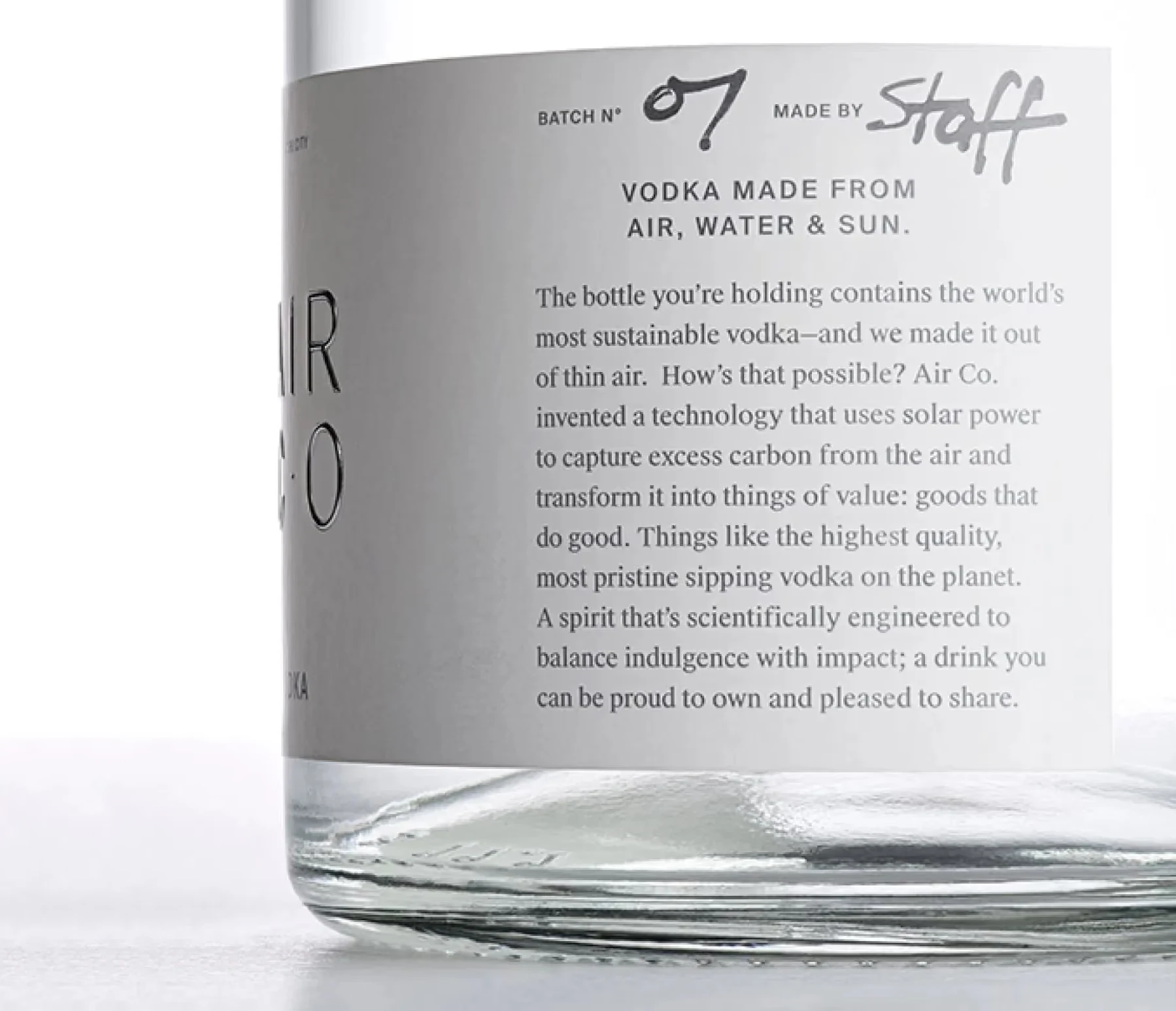
SoundCloud hired me as the first dedicated writer in the company’s history. Air Company had a novel technology, a luxury vodka, and nothing in between. Six times now I’ve built the voice from the ground up, with no brief and high stakes.
Act three
Writing systems for machines.
What changes when the audience is not a person? Everything that was left to judgment.
Lincoln and AREA15
Rules a model can follow
A guideline written for a person and one written for a model are never the same. On Lincoln and AREA15, I built the voice and style rules into a working model as an instruction set, with a strict and growing list of guardrails, so product owners who were not writers could draft on brand. Nothing reached the client without a writer reading it first.
Written for a person
Confident,
not arrogant.
We are self-assured without boasting. State what we know. Do not oversell.
Two writers read this and write two different lines. Both can defend theirs.
Written for a model
Same rule. Now it can be followed, tested, and graded.
Model evaluation
Writing the standard, then testing it
I train and evaluate AI models on writing quality for an AI company, currently under NDA. Writing the standard and then grading against it changes how the standard gets written. A rule precise enough for a model to follow exposes every place the human version was vague and got away with it.
“Too clinical.”
A reaction
“Shifts to third person in the second sentence. Register holds at second person throughout. Rule: never change person inside one response.”
A rule an engineer can build against